trends and outlook
A2L Refrigerants and the Next Five Tune-Up Seasons
R-454B and R-32 equipment is already landing in customer driveways. Here is what mildly flammable refrigerant changes about leak checks, parts stocking, tools, training, and plan pricing through 2030.
What the AIM Act Phasedown Actually Scheduled, and When
The AIM Act put the United States on a firm HFC phasedown path. The law targets a 40 percent reduction in HFC production and import by 2024, based on baseline levels from 2011 to 2013. By 2028, the reduction jumps to 70 percent. The schedule is not just a broad directive; it has teeth. Producers, importers, and distributors must follow allowances set by the Environmental Protection Agency.
For HVAC contractors, this means R-410A will be harder to source and more expensive year over year. The phasedown already impacts distributor stock and price lists. Residential split systems shipping after January 1, 2025, will largely use lower-GWP refrigerants like R-454B and R-32. Some manufacturers have already made the switch in response to state requirements or to get ahead of national rules.
Contractors need to plan for a mixed fleet. Each tune-up season will bring more equipment with the new refrigerants. Shops must track not only R-410A but also the new blends as state and federal rules tighten supply and reporting.
Keep reading: The 24-Point Spring Cooling Tune-Up Checklist for Techs
R-454B and R-32 in Residential Split Systems
R-454B and R-32 are the leading replacements for R-410A in new residential systems. Both have much lower global warming potential. R-454B has a GWP of about 466, while R-32 is around 675. The industry is split on which to use. Major manufacturers are shipping both, depending on product lines and distribution agreements.
Both refrigerants are classified as A2L: mildly flammable, but not as hazardous as A3s like propane. This means they come with new rules on system design, charge limits, and service procedures. Contractors will encounter units with new service ports, warning labels, and sometimes different line sizing.
For most techs, the first sign of change is the bright blue or green sticker on the outdoor unit. The service valves may be slightly smaller, and the system documentation is clear about the use of A2L refrigerant.
The learning curve is shorter than with the R-22 to R-410A transition. However, the flammability factor changes how and where you can store, recover, or service these systems.
Mildly Flammable Means Leak Detection and Mitigation Hardware
A2L refrigerants like R-454B and R-32 leak differently than R-410A. They disperse quickly, but even a small leak in a confined space can reach flammable concentrations. Because of this, building codes now often require leak detection hardware in certain installations, especially where the air handler sits in a closet or attic.
Manufacturers have started integrating factory leak sensors in some air handlers. Some local codes require aftermarket sensors, especially for multi-family housing or units near occupied spaces. The sensors tie into the system controls and may shut down the compressor if a leak is detected.
Mitigation devices such as automatic shut-off valves are also becoming standard in some jurisdictions. If a leak trips the sensor, these valves close to contain the refrigerant. Field installation varies by code and manufacturer instructions. In many cases, you will add these devices during a retrofit or tune-up if the system is in a code-sensitive location.
Leak detection tools in the service truck also need updating. Many common detectors cannot pick up A2Ls reliably. You need a detector rated for A2L refrigerants to pass inspection and avoid false readings.
Keep reading: What a Two-Visit Maintenance Plan Really Costs to Deliver
Recovery Machines, Gauges, and Cylinder Handling You Now Need
Servicing A2L systems requires some new hardware and stricter procedures. First, recovery machines must be rated for A2L refrigerants. Not all R-410A recovery units are suitable. Look for spark-free components and clear A2L compatibility in the manual.
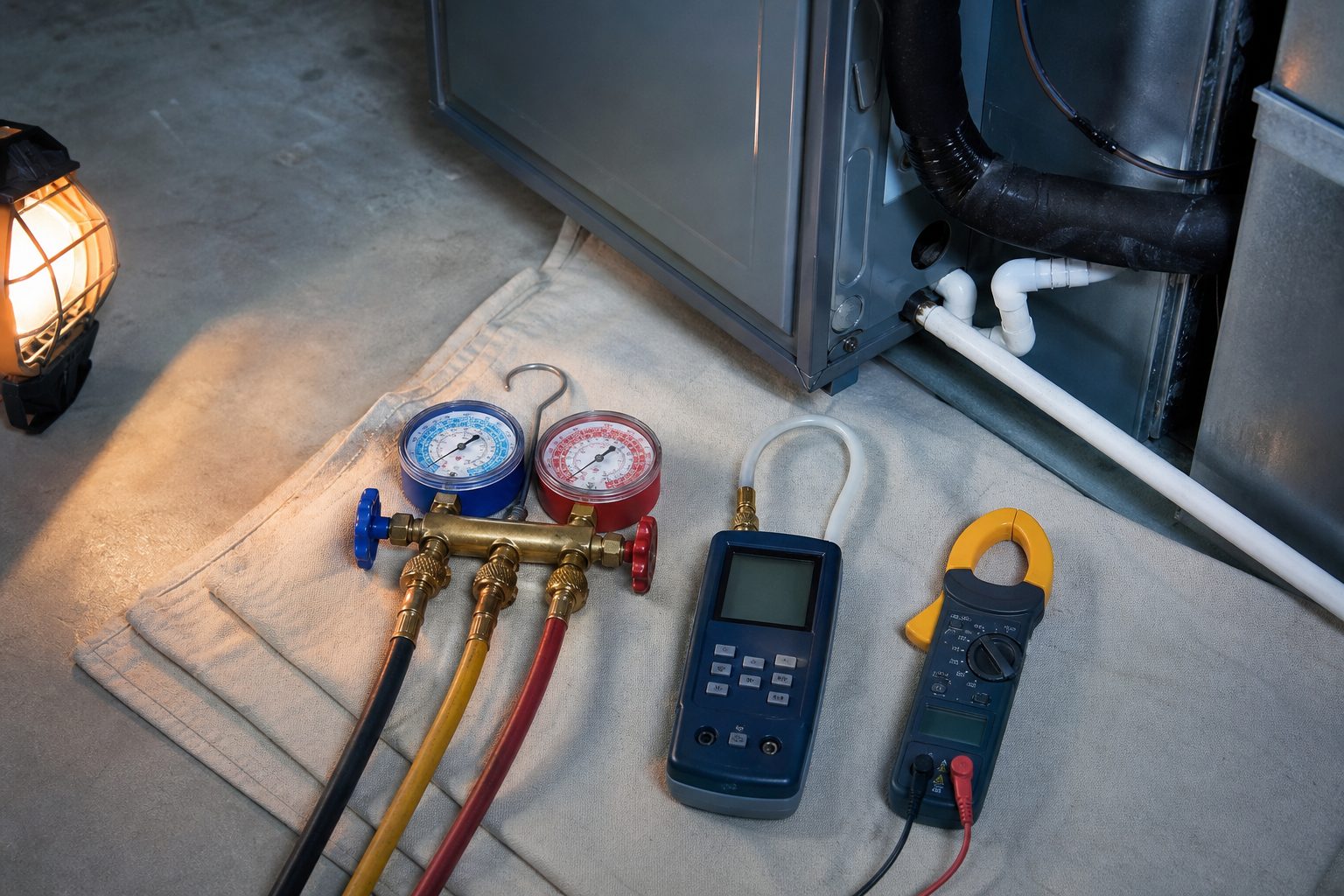
The same goes for manifold gauges and hoses. While many R-410A tools are pressure rated high enough, A2L-rated tools use different seals and materials. This reduces the risk of spark or refrigerant loss during connection and disconnection.
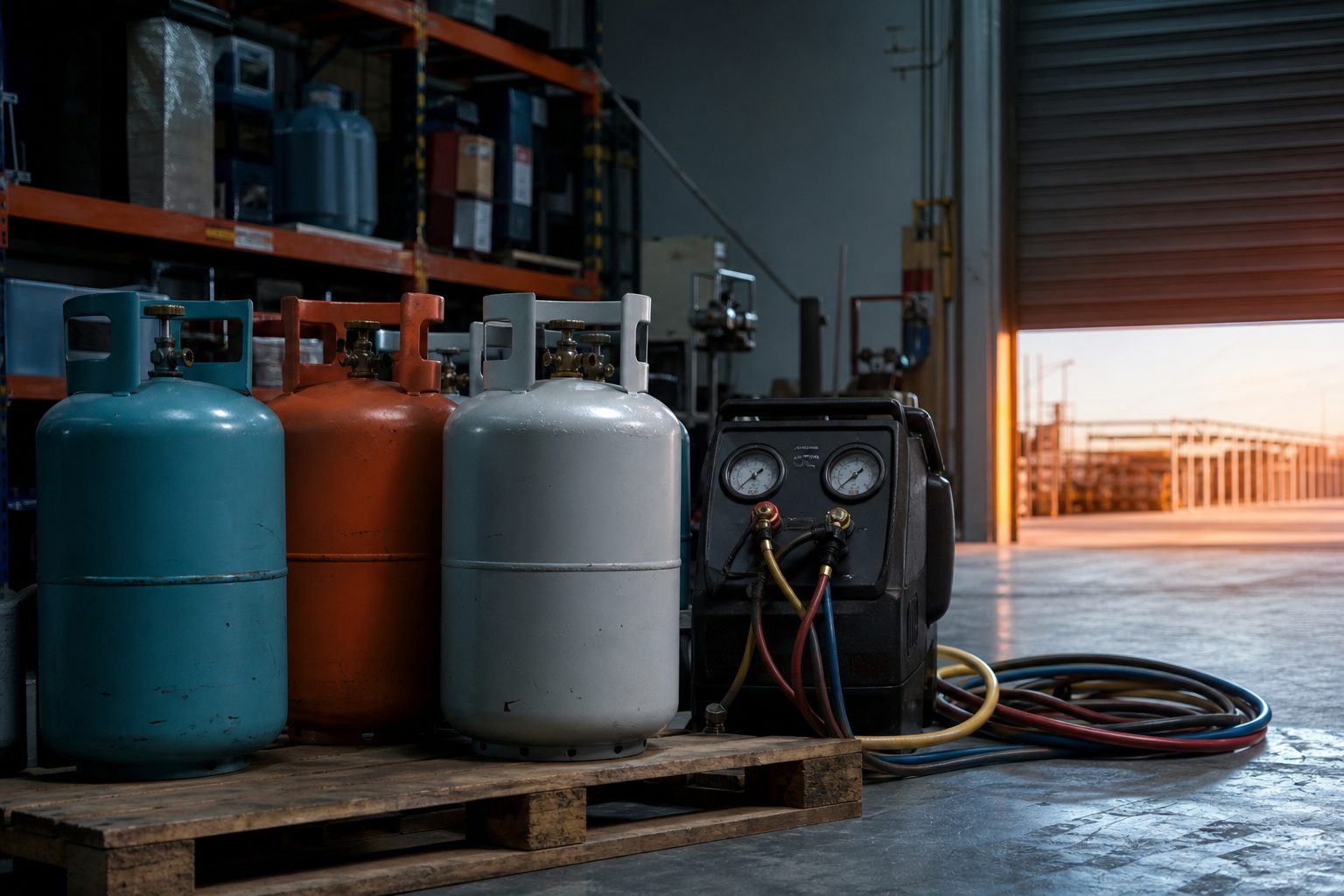
Cylinder handling is one of the biggest changes. A2L refrigerants require DOT-approved cylinders with special markings. Storage areas must have clear no-flame signage and ventilation. Trucks carrying A2L bottles may need new placards, depending on how much you haul at once.
When charging or recovering, purge the service hoses with nitrogen first. This prevents mixing A2Ls with air, which can create a flammable mixture. Techs must also avoid using open flames, such as torches, near the system when refrigerant is present.
Servicing an R-410A Fleet While Supply Tightens and Prices Move
The R-410A fleet will not vanish overnight. Most installed systems use R-410A, and many will be in service past 2030. The challenge is that the phasedown is already squeezing supply and pushing prices up.
Distributors are limiting R-410A allocations. Some are setting monthly purchase limits. Contractors should expect to see prices jump unpredictably, especially heading into summer. Hoarding is tempting but risky: shelf life, storage rules, and cash flow all come into play.
Servicing leaks will become a costlier proposition. Some shops are steering customers toward replacement instead of expensive recharges. Others are offering leak repair and recharge as a premium service, with transparent pricing that reflects the true cost of refrigerant.
Alternative refrigerants for retrofits are on the market, but each has trade-offs. Some blends are not drop-in and require changes to oil, expansion devices, or charge levels. Most manufacturers do not endorse these for warranty work.
For plan holders, make it clear when tune-ups include topping off and when refrigerant charges will be billed separately. Spell out the risks of running R-410A low, and document every leak or recharge event for compliance.
See how SeasonTuneUp handles this for hvac and mechanical trades
How Tune-Up and Plan Pricing Should Move Over the Next Few Seasons
Pricing maintenance plans in this environment takes careful thought. The cost of refrigerant is volatile, and the time required for each visit may rise as techs handle additional safety checks and paperwork.
For R-410A systems, consider moving away from unlimited top-offs. Many shops now cap included refrigerant to a pound or two per year, with clear surcharges for larger additions. This protects margin as R-410A costs rise.
For R-454B and R-32 systems, the tune-up checklist is longer. Leak sensor inspection, mitigation device testing, and documentation all take time. Adjust plan pricing to reflect the extra labor. Some shops offer tiered plans: a basic package for equipment under warranty, and a premium tier for older or retrofit systems.
Parts stocking is also in flux. Stocking A2L-rated parts, sensors, and service tools ties up more capital. Consider building the cost of specialized inventory into overall plan pricing, especially as the A2L fleet grows.
Renewal rates may dip as customers notice higher pricing. Counter this by spelling out the value: newer refrigerants have regulatory benefits, and code-compliant maintenance is non-negotiable for safety and performance. Build time for customer education into the plan structure.
Training and Certification to Line Up Before Next Spring
Servicing A2L systems is not just about tools and parts. The rules around mildly flammable refrigerants are serious, and many states are rolling out new training and certification requirements. EPA Section 608 cards do not cover A2L specifics. Look for manufacturer courses, industry association modules, or state-backed A2L endorsements.
Hands-on training helps techs practice leak detection, safe recovery, and emergency shutdowns. Some shops are running in-house classes with sample A2L units on the bench. This minimizes surprises in the field and ensures compliance with both federal and local codes.
Documenting completion of A2L-specific training is already a requirement in some jurisdictions. Insurers and general contractors may start asking for proof as A2L adoption grows. Make sure every tech has current credentials and that training records are easy to access if an inspector or AHJ asks.
Customer communication is another training focus. Homeowners may have questions about flammability. Train staff to answer these calmly and factually, emphasizing code compliance and the industry's safety record with A2Ls so far.
As your customer base shifts from all R-410A to a mixed refrigerant fleet, the complexity of service tracking and compliance reporting will increase. Automated systems for maintenance agreement renewals and seasonal tune-up booking, especially those that track refrigerant type and service history, can streamline the process and keep both the office and field teams in step with the new requirements.