field report
Ride-Along: Nine Fall Furnace Tune-Ups in One Day
October, nine furnace calls, one truck. Crawlspaces, a filter size nobody stocked, a cracked inducer housing, and the two stops that ran long. A running day log of what tune-up routing really looks like.
6:40 AM: Loading Filters for Nine Addresses
October mornings in this region start cold and dark. My day started early, headlights cutting through steam as I pulled up behind the shop. The dispatch list sat on my phone: nine furnace tune-ups, all scheduled for today. I checked the filter list twice before pulling what I thought I'd need from the warehouse racks, eight different sizes, but two addresses listed the same 16x25x1.
In practice, you never trust the records alone. Some homes have two systems, some owners swap out filters themselves, and more than once I've found a 20x25 jammed into a 16x25 slot. Every tech reading this knows the drill: stack the van with as many sizes as possible, but still there's always one you don't have. Today, I left with eighteen filters, two spare belts, and enough shop towels to mop up whatever the day threw my way.
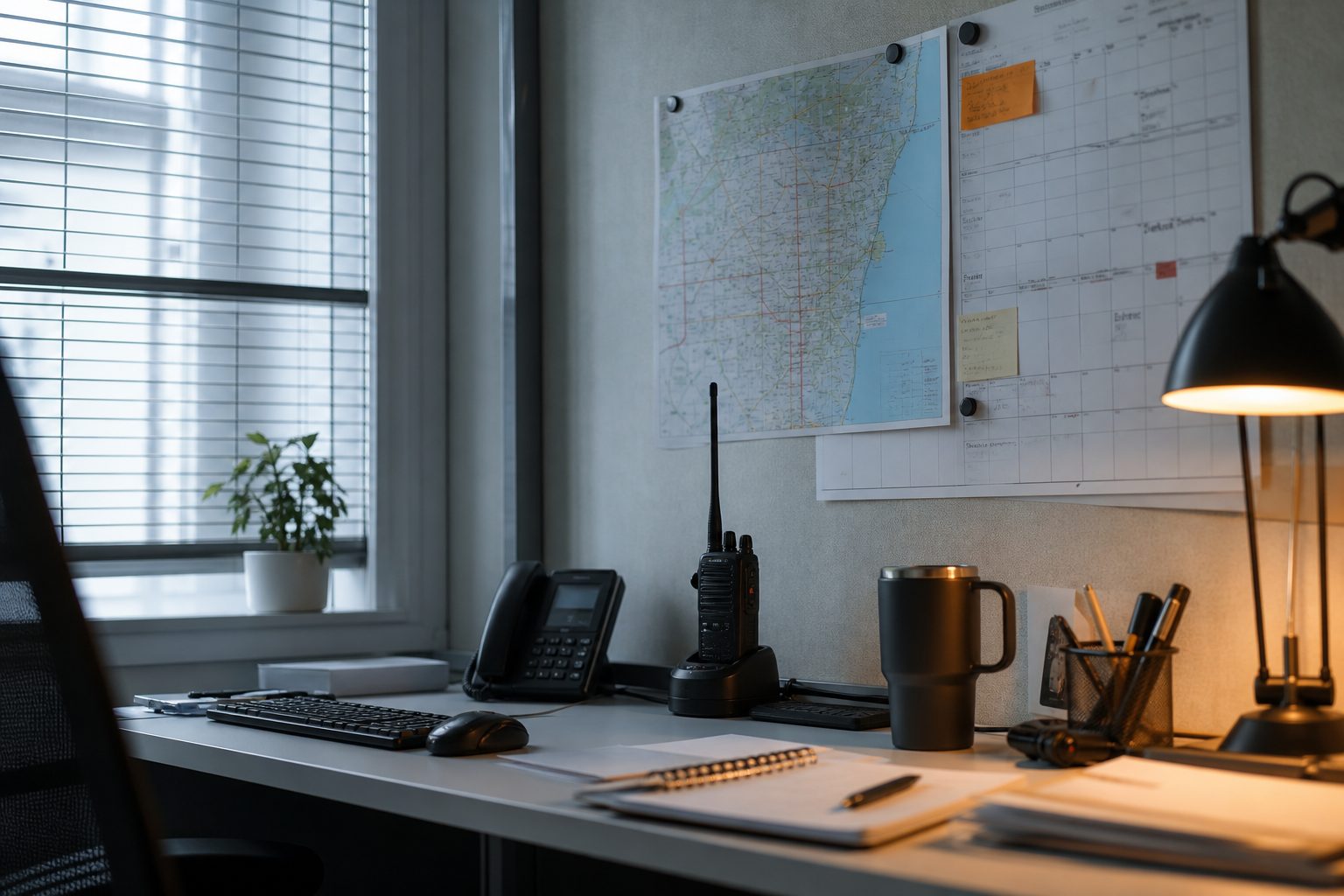
By 7:00 AM, the van was rolling out. First call was a ranch house twenty minutes away. My route would snake through three nearby basements, then a crawlspace, then a couple of attic jobs as the day warmed. The phone buzzed with a reminder: "Stop 6, call ahead. Owner leaves at 2." Scheduling software is good, but the unexpected is better at finding you.
Keep reading: How to Book a Full Spring Tune-Up Season Before April
Stops One Through Three: The Easy Basements
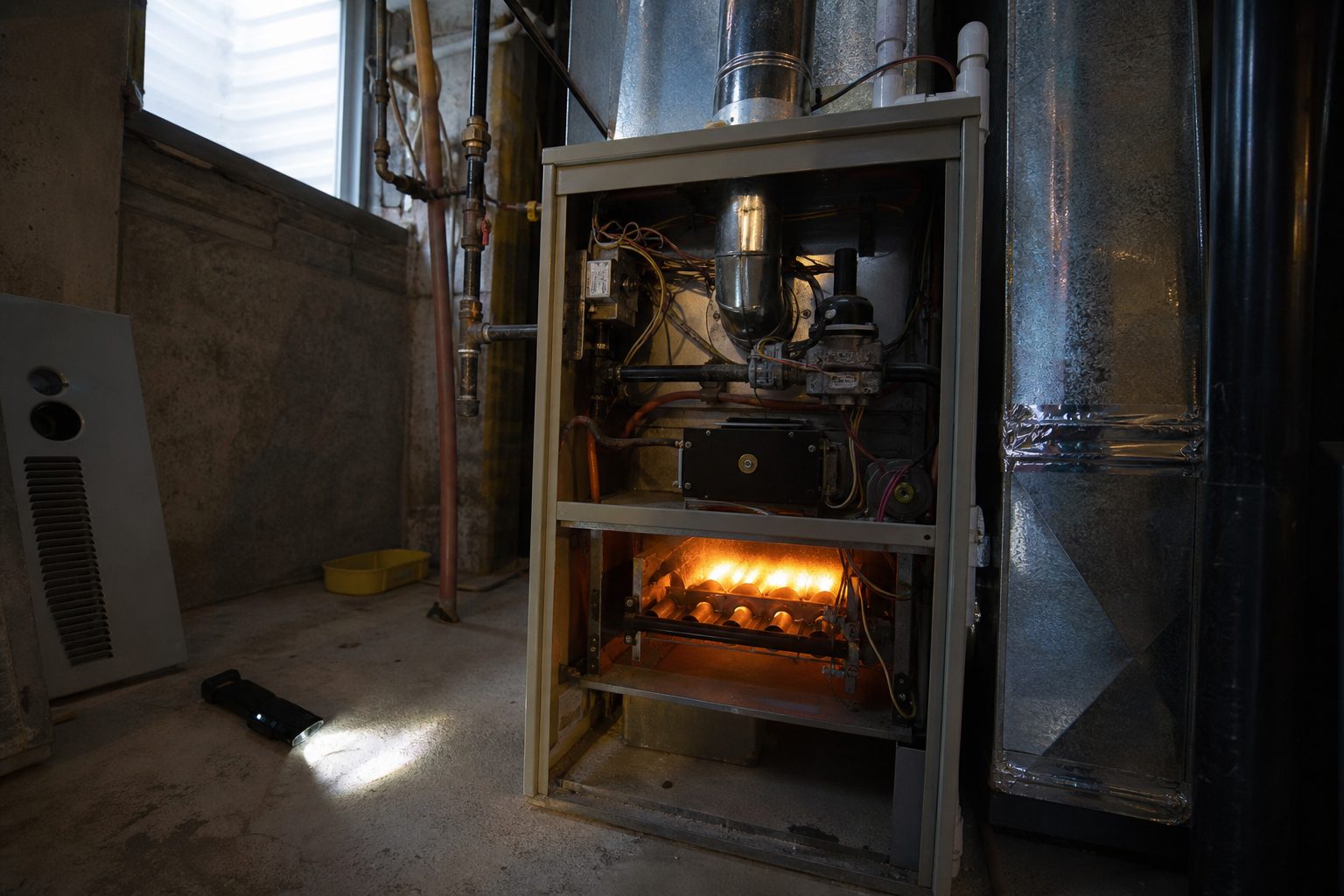
The first three stops were as straightforward as tune-ups get. All had accessible basements, friendly owners, and working lights. Houses like these are the bread and butter of fall maintenance season. In each, I went through the same checklist: inspect burners, check for flame rollout, clean the blower if needed, test operation, and swap filters. I recorded combustion readings in the app, snapped photos for the file, and wrote down the serials in case warranty work came up later.
Each basement held a small surprise. The first had a newer furnace, but the owner was still running an ancient thermostat, manual, mercury, and set for 72 degrees all year. I explained the benefits of a programmable model, but he said he liked the old one. He'd replace it "when it finally dies."
Second stop, I found a humidifier bypass damper left open from summer. The customer said she thought it was supposed to stay there. Quick fix: close it, check for leaks, remind her to open it again when the AC season returns. Third stop was a high-efficiency unit with a condensate pump. The pump was working, but the line was half-blocked with gunk. Quick clean, flush, test, and back in service.
Across these three, I spent about thirty-five minutes per call, door to door. These are the stops that keep the schedule on track, when nothing breaks and every part is at hand. By 9:45 AM, I was ahead of schedule, which as every tech knows, never lasts long.
Stop Four: A Cracked Inducer Housing and a Hard Conversation
The fourth stop was a split-level built in the late eighties. The furnace was a two-stage model, about twelve years old, tucked behind boxes in a crawlspace with barely enough room to kneel. The owner greeted me at the door with a mug of coffee and a checklist of questions. She had noticed more noise on startup and a faint smell of plastic when the heat kicked on.
Once I squeezed in and pulled the door, it became clear: the inducer motor housing had a visible split, with a faint trail of soot leading away. The motor still ran, but the crack would let combustion gases escape inside the cabinet and, eventually, into the home. It wasn't a question of if it would fail, just when.
I ran through the rest of the inspection, but the main conversation was about the inducer. I explained the risk: carbon monoxide, system shutdown, possible damage to the heat exchanger if ignored. She asked if it could last the winter. I told her it might, but if it failed completely, the safety switch would lock out the furnace. She asked for a quote, and I called in to get a price on the part. The distributor had it, but delivery would be two days out. She decided to schedule the repair, but wanted to think about replacing the furnace instead of just the inducer. I wrote up the estimate, flagged the file, and moved on.
The stop ran long, just under seventy minutes. Talking through a major repair eats up time, but so does crawling out, phoning the parts desk, and building trust with the customer. I left her with a carbon monoxide alarm, just in case.
Keep reading: Annual Prepay vs Monthly Auto-Renew HVAC Service Plans
Lunch in the Truck and a Reshuffled Afternoon
It was almost noon before I finished at stop four, and the next call was across town. I pulled into a grocery parking lot, used the van's hotspot to check messages, and wolfed down a sandwich. Dispatch had left a voicemail: stop six needed to be bumped later, owner running behind. That pushed my attic stops earlier. I called to confirm with the next two houses and adjusted the order.
Lunch for a field tech is less about rest and more about logistics. I checked the filter inventory again. One 20x25x4 left, one 16x20, and two oddball sizes I'd barely ever used. I made a note to ask the shop about restocking the 16x25x1, after three calls, I only had one left. If a customer wanted to buy extra, I'd be short. I filled out the first four job reports in the tablet to keep the office happy, then headed off to stop five.
Stop Six: Nobody Home, No Lockbox, No Visit
Stop five was a quick crawlspace job. The furnace was clean, the condensate trap was clear, and the filter fit. The homeowner was out, but had left a code for the garage. I was in and out in under thirty minutes.
Stop six was where the schedule finally hit a wall. The owner was supposed to meet me at 2:15 PM, but the driveway was empty. I called the number on file, straight to voicemail. Tried the office; dispatch told me the owner got stuck out of town and forgot to cancel. No lockbox, no neighbor with a key, and no way in. I left a door hanger and made a note to reschedule.
Missed appointments happen in this business, but they drag down the day. It's not just the lost revenue, it's the extra drive, the time burned, and the reshuffling of the rest of the route. On days with nine stops, one missed visit can mean finishing after dark. I texted the next customer to let them know I was running early, then headed over.
See how SeasonTuneUp handles this for hvac and mechanical trades
Stop Eight: The Attic Furnace That Ate Fifty Minutes
Stop seven was a quick check: furnace in a closet, filter in the return grill, owner home to sign paperwork. I was in and out fast. The real delay was at stop eight, a mid-century ranch with a furnace tucked in the attic, accessible only by a steep pull-down ladder. The homeowner said she'd always hated having the heater up there, but the builder hadn't left room in the crawlspace.
The attic temperature was warmer than outside, but the insulation made it stifling. Balancing tools, a flashlight, and a replacement filter was a juggling act. The furnace itself was in decent shape, but the filter was a 20x30x1, a size I rarely carried more than two of, and this was my last one. I checked the burners, measured temperature rise, and vacuumed the compartment. Dust and loose insulation coated everything. Just swapping the filter took longer than usual, with the awkward reach and low clearance.
After forty minutes in the attic, I felt the lost time in my knees and lower back. The homeowner asked about adding a service platform and better lighting. I recommended a local carpenter and reminded her to keep the pull-down stairs lubricated. Just getting down and packing up took another ten minutes.
By the time I finished, I was nearing the end of my daylight. The last stop was still on the schedule, but I could already feel the fatigue setting in. Nine stops is a long day even when everything goes right. When it doesn't, you pay for it with sore muscles and paperwork that piles up in the evening.
End of Day: What Nine Stops Left on the Board
The final stop was a townhouse with a simple furnace in a hallway closet. The owner was waiting, paperwork in hand, and everything checked out. I swapped the filter, vacuumed the compartment, and ran a test cycle. In and out in twenty minutes. I snapped a photo for the job file and closed out the ticket on my phone.
Back at the shop, I unloaded what was left of the filters, cleaned out the cab, and started on the job reports. Out of nine scheduled tune-ups, I completed eight. One missed appointment, one major repair flagged, and two jobs that took longer than planned. Total windshield time: close to three hours, not counting stops. Actual work time per tune-up ranged from under half an hour to just over an hour, depending on access, filter surprises, and customer questions.
Every tech knows that the "average" tune-up time is a myth. Some jobs are quick, but every route has at least one house with an access problem, a system on its last legs, or a customer who wants to talk through every line of the checklist. The real skill is not just technical, it's managing the schedule, explaining issues clearly, and knowing where to cut or add time as needed.
For office managers and owners, keeping track of which customers are due, who needs a call, and which jobs require rebooking is work that stacks up fast in maintenance season. Automated tools that track agreement renewals and help with seasonal tune-up booking can take some of the load off the calendar and let techs focus on the work in front of them.